BYD battery
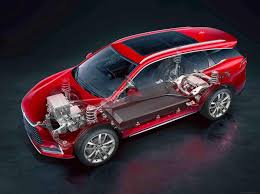
BYD, one of the world’s biggest electric-vehicle manufacturers, is recalling close to 90,000 hybrid cars after Chinese regulators flagged safety issues involving their power batteries. The recall affects 88,981 units of the Qin PLUS DM-i plug-in hybrid sedan, produced between January 2021 and September 2023, marking another major quality challenge for the fast-growing EV giant.
This move comes as China continues its rapid adoption of electric and hybrid vehicles — a shift that has brought incredible growth but also increased pressure on automakers to maintain strict quality control.
Read More: Toyota Fortuner Price reduced by Rs. 2.5 Million in Pakistan
What Went Wrong With the BYD Batteries?
Although regulators didn’t share every technical detail publicly, documents indicate that the affected cars have abnormalities inside their power-battery packs. These issues may not cause immediate failure, but they can create safety risks over time.
The defects are tied to:
- Temperature and thermal-management issues, where the battery could overheat under certain conditions.
- Irregular voltage readings, including sudden spikes or drops.
- Premature degradation of specific battery cells, which can lead to lower performance and, in extreme cases, safety hazards.
So far, there have been no major accidents linked directly to these issues, but China’s market regulator (SAMR) has determined that the fault is serious enough to require a full recall.
How BYD Plans to Fix the Problem
BYD is taking a two-step approach:
1. OTA Software Update
All affected vehicles will receive an over-the-air update. This update will monitor the battery more closely and show a warning light on the dashboard if it detects abnormal behavior.
2. Free Battery Replacement
If the warning light appears and diagnostics confirm a defective battery pack:
- BYD will replace the entire battery pack for free.
- Repairs will be handled through BYD dealerships.
This approach means most owners won’t need to visit a service center unless the system detects an issue.
Not BYD’s First Recall
This isn’t the first time BYD has faced battery-related concerns.
In October 2025, the company recalled over 115,000 hybrids and electric cars due to design and safety issues. As China’s EV industry grows larger and more complex, even top-tier companies like BYD are facing quality-control challenges.
China Still Leads the Global EV Market
Despite these setbacks, China remains far ahead of the rest of the world in EV adoption and development.
- In October 2025, China sold 1.71 million new energy vehicles (NEVs) — more than half of its total car sales for that month.
- Chinese automakers lead globally in AI-powered safety systems, battery tech, and charging infrastructure.
- China’s EV market is expanding faster than Europe and the U.S. combined.
This rapid rise explains why recalls are becoming more common — the industry is scaling at a speed with little precedent.
Read More: Changan to launch Avatr 11 Luxury Electric Car in Pakistan
Why Pakistan Should Care — and Be Cautious
Pakistan has shown strong interest in BYD, especially as the government pushes toward electrification through its New Energy Vehicle Policy 2025–2030. The country aims to achieve 30% EV sales by 2030, and has plans for thousands of charging stations.
BYD is widely expected to enter Pakistan’s market in the near future due to its:
- competitive pricing
- advanced battery technology
- wide vehicle lineup
But Pakistan still lacks the ecosystem needed to handle large-scale EV adoption — especially when it comes to safety and after-sales support.
Pakistan’s main EV challenges include:
- Unreliable and limited charging stations
- Weak regulatory oversight for EV safety
- Few skilled EV technicians
- No nationwide recall procedure
- Underdeveloped after-sales and battery-maintenance networks
In other words, if BYD or any other Chinese EV brand enters the market aggressively, managing complications like battery recalls could be much harder in Pakistan than in China.
China has advanced monitoring, safety protocols, and strong market regulators — Pakistan is still building those foundations.
What This Means for Pakistan’s EV Future
The BYD recall offers an important reminder for Pakistan:
Adopting electric vehicles is not just about bringing in new models. It requires a strong regulatory framework, trained specialists, robust charging standards, and a functioning recall management system.
If Pakistan can improve these areas, it can safely benefit from the global shift toward EVs. If not, the country risks facing complications similar to China’s — but without the infrastructure to manage them.
Conclusion
BYD’s recall of nearly 90,000 hybrid cars reveals how challenging it can be for even the biggest EV companies to maintain quality as they scale. China continues to lead the world in EV innovation, but rapid growth has its risks.
For Pakistan, this is a valuable lesson. With the right planning, regulations, and infrastructure, the country can confidently embrace the EV revolution. Without them, even routine safety issues could become difficult to manage.
About the Author