PIA Privatization
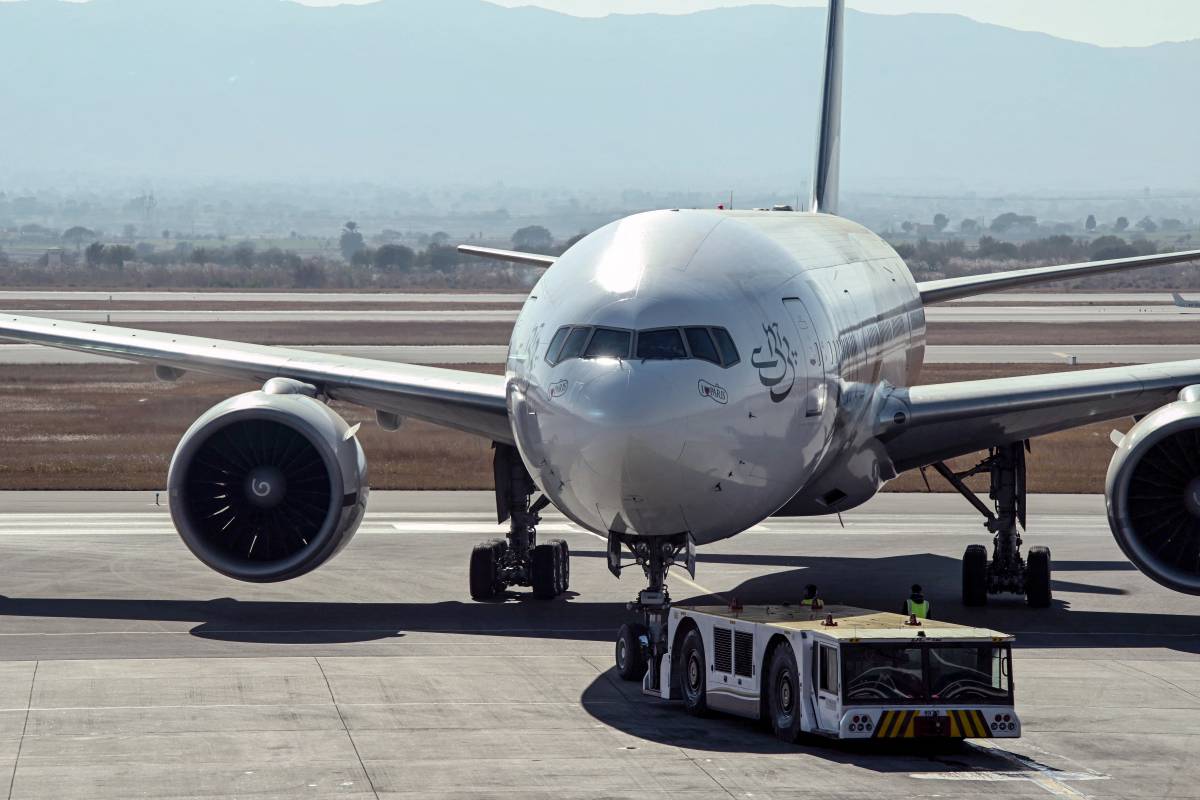
Pakistan International Airlines (PIA) has taken a major step forward in its long and troubled journey toward privatization, with four qualified bidders officially moving to the next stage of the process. For the first time in many years, there is a sense of real movement—something both investors and the public have been waiting for.
After years of delays, rising losses, and constant uncertainty, Pakistan’s national airline finally sees real progress toward privatization.
The news came during a meeting of the Standing Committee on Privatisation, chaired by MNA Muhammad Farooq Sattar. Officials confirmed that the government has approved the transaction structure, allowing qualified bidders to access PIA’s financial details and begin due-diligence work.
Read More: AirSial becomes Pakistan’s largest airline with addition of more Airbus planes
Four Bidders in the Race
The following groups have been shortlisted:
- Lucky Cement Consortium
- Arif Habib Corporation Consortium
- Fauji Fertilizer Company Limited (FFC)
- Air Blue Limited (PA)
These bidders will now dive into PIA’s Virtual Data Room, visit facilities, analyze the airline’s operations, and participate in the pre-bid conference. With this stage underway, the government is aiming to finalize key commercial terms and push the process forward without further delays.
Years of Delays—And the Heavy Price Pakistan Paid
PIA’s privatization wasn’t supposed to take this long. Discussions began nearly two decades ago, but the process kept stalling due to:
- political instability,
- resistance from unions,
- changes in government priorities, and
- the airline’s worsening financial condition.
Each delay meant billions of rupees in additional losses. The government repeatedly stepped in with bailouts—essentially taxpayer money—to keep the airline afloat. Experts say that years of indecision and delayed reforms have cost Pakistan hundreds of billions of rupees, money that could have been used for development, healthcare, or education.
Instead, PIA’s financial troubles kept growing:
- debts piled up,
- routes were suspended,
- aircraft aged without timely replacement,
- and operational inefficiency became the norm.
Had privatization or restructuring been completed earlier, the airline’s decline might have been slowed—or even reversed.
PIA: A Once-Great Airline That Inspired the World
It’s easy to forget today, but PIA was once one of the most respected airlines in the world. Between the 1950s and 1980s, it was known for its professionalism, service quality, and innovation. PIA was among the first Asian airlines to operate jet aircraft and was admired for its skilled pilots and crew.
Many people don’t know that PIA played a key role in launching Emirates, helping train its early staff and providing technical assistance.
For decades, the airline was a symbol of national pride. Passengers from around the world praised its hospitality and reliability.
But over time, political interference, mismanagement, and overstaffing eroded its reputation. The airline that once trained other carriers eventually struggled to run its own operations efficiently. The hope now is that privatization may help revive some of that lost greatness.
Protecting PIA Employees
During the Standing Committee meeting, lawmakers emphasized that the workforce must not suffer during the transition. They urged the Privatization Commission to maintain open communication with unions and protect:
- jobs,
- pensions, and
- post-retirement benefits.
They also stressed the need for merit-based hiring and staffing after the airline comes under new management.
Read More: A new Private Airline “Air Karachi” to start domestic operations soon
Privatization Moves Beyond PIA
The committee also reviewed the status of other major state assets:
Roosevelt Hotel (New York)
- The government has approved a Joint Venture model for its restructuring.
- Seven firms have submitted proposals to act as the financial advisor.
Power Sector Privatization
- Only the operational power plants—Guddu (747 MW) and Nandipur (525 MW)—will be offered for sale under the 2024–29 plan.
- Non-functional units may be delisted and sold off as scrap or assets.
A Critical Moment for Pakistan’s Aviation Sector
With four serious bidders now involved, PIA’s privatization effort has reached its most promising point in years. If the process continues smoothly—without the usual political delays—it could:
- ease pressure on Pakistan’s finances,
- bring new life and efficiency to the airline,
- and help restore some of PIA’s lost glory.
For a country battling economic challenges, successfully privatizing PIA would send a strong signal that reforms are finally taking shape.
About the Author