Punjab lifts basant ban
In a landmark cultural decision, the Punjab lifts basant ban after 25 years, allowing the long-awaited festival to return — but with strict regulations to ensure public safety. The revival of Basant comes with a modern, technologically driven framework that includes QR-coded kites, mandatory seller registration, age restrictions, and heavy penalties for rule violators.
With the slogan “Safety First, Celebration Second,” the government aims to bring back the charm of Basant without the tragedies that once plagued it.
Read More: Punjab launches crackdown against polluting vehicles
Why Punjab Lifted the Basant Ban After Two and a Half Decades
The festival, once celebrated with enthusiasm across Punjab, was banned due to rising accidents, dangerous chemical strings, rooftop falls, and motorbike injuries. But with strong public demand and new safety mechanisms, the government has announced a controlled reintroduction of Basant.
The decision to allow Basant again signals the province’s desire to revive its cultural identity while ensuring that history does not repeat itself.
QR-Coded Kites for Digital Tracking
One of the most innovative measures introduced since Punjab lifts the Basant ban is the mandatory QR code on every kite.
How it works:
- Every registered kite seller receives a unique QR code identity
- Each kite must carry a QR code sticker linked to the seller
- In case of violations — such as using banned string or flying in restricted zones — authorities can scan the QR code to immediately trace the kite back to its seller
This technology ensures accountability, eliminates anonymity, and helps the government track illegal activity with pinpoint accuracy.
Mandatory Registration for Kite Makers and Sellers
To prevent the production and sale of dangerous materials, the government now requires:
- All kite makers, sellers, and suppliers to register officially
- Only government-approved shops to sell kites and kite string
- Full documentation and trackability for every kite sold
This step aims to dismantle the black market that thrived during the ban years.
Strict Jail Terms and Heavy Penalties
With Punjab lifting the Basant ban, celebrations are back — but so are strict consequences.
Legal penalties introduced include:
- 3 to 5 years of jail for serious rule violations
- Immediate arrest for selling chemical or metallic string
- Confiscation of illegal kites and banned materials
The government has made it clear: safety violations will not be tolerated.
Fines for Offenders: No Second Chances
The new Basant policy includes tough financial penalties:
- Rs. 50,000 fine for the first offense
- Rs. 100,000 fine for the second offense
Repeat offenders risk both fines and jail sentences, especially sellers who break registration or QR code rules.
Under-18 Strictly Prohibited from Flying Kites
To ensure responsible kite flying, the government has clearly stated that:
No one under 18 years old is allowed to fly kites.
This rule protects younger participants and minimizes risky behaviour that contributed to past bans.
Kites and Strings Only from Registered Sellers
A key rule after Punjab lifts the Basant ban is that:
- Only registered sellers may supply kites
- Only approved, safe kite string can be used
- Buying from unregistered sources will be treated as a punishable offense
This ensures that the infamous chemical manja never returns to the market.
Special Safety Instructions for Motorbike Riders
Motorcyclists have historically been among the most vulnerable during Basant. To protect them, authorities have issued special safety guidelines:
- Wear full-face helmets
- Install protective wire guards on bikes
- Avoid high-speed travel in kite-flying zones
- Stay extra cautious during peak hours
- Immediately report dangerous strings or illegal flying activities
These measures aim to prevent neck injuries and accidents caused by stray string.
A New Era for Basant: Culture with Safety
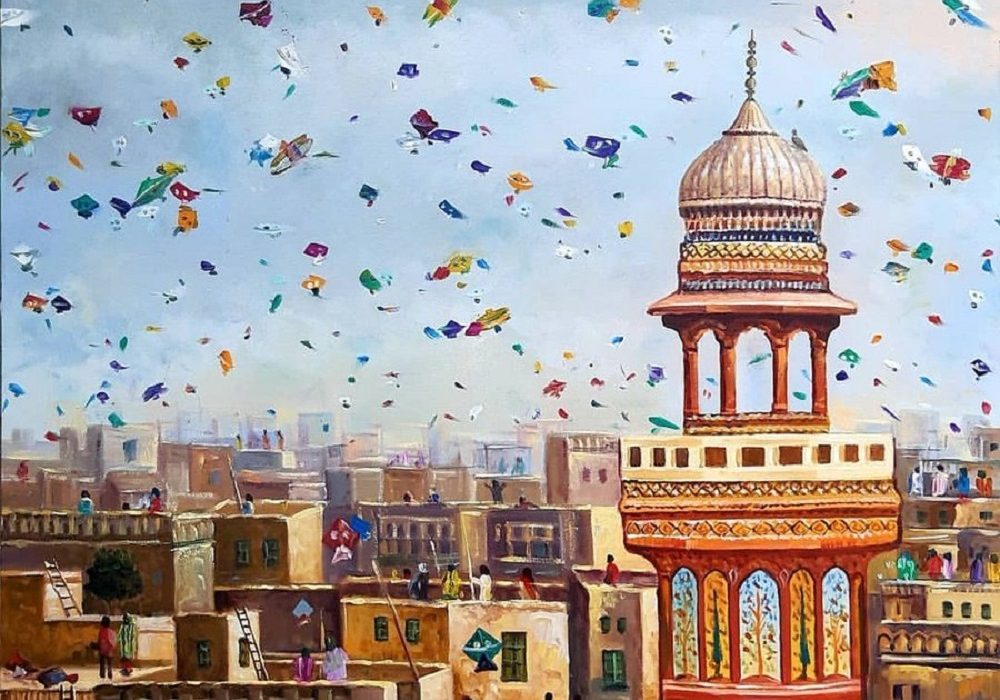
As Punjab lifts the Basant ban, residents can finally celebrate the festival that once brought joy, colour, and festivity to rooftops across the province. However, the government’s new rules highlight a clear message:
Basant is back — but only with responsibility, regulation, and strict compliance.
With QR-coded kites, mandatory seller registrations, heavy fines, and age restrictions, Punjab hopes to create a safer, more controlled version of this beloved tradition.
If these measures succeed, Basant can once again become a signature cultural event—vibrant, joyful, and safe for everyone.
About the Author