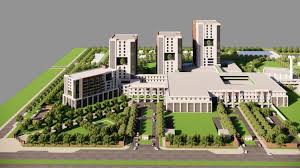
Jinnah Medical Complex Islamabad
Construction of the Jinnah Medical Complex, one of Pakistan’s most ambitious healthcare megaprojects, has officially accelerated in Islamabad. With an estimated cost of Rs. 120 billion, the project is set to become one of the largest and most advanced medical facilities in the country—and a landmark addition to Pakistan’s healthcare infrastructure.
Designed to serve both local and national healthcare needs, the Jinnah Medical Complex will function as a state-of-the-art teaching hospital, providing world-class medical services, modern diagnostic technologies, and comprehensive specialist care under one roof.
Read More: Construction works accelerates on Islamabad Cricket Stadium
A Modern Healthcare Megaproject
The Jinnah Medical Complex is planned as a fully integrated medical city featuring:
- A tertiary-care hospital
- A medical college and teaching university
- Nursing and paramedical training institutes
- Research and innovation centers
- Residential facilities for staff and students
- Emergency and trauma infrastructure on par with global standards
Once completed, the facility is expected to ease the pressure on Islamabad’s existing hospitals, including PIMS and Polyclinic, by offering cutting-edge services and significantly expanding patient capacity.
Capacity and Size of the New Hospital
According to development plans, the Jinnah Medical Complex will have:
Hospital Bed Capacity
- 2,000+ beds equipped with modern monitoring systems
- Separate blocks for adults, children, maternity, and critical care
Emergency Facilities
- One of Pakistan’s largest 24/7 emergency and trauma centers
- Over 100 emergency beds
- Rapid-response trauma bays
- A dedicated helipad for medical airlifting
Outpatient & Inpatient Capacity
- More than 5,000 OPD patients per day
- High-capacity inpatient wards and isolation units
- Private, semi-private, and general wards
Departments and Specialized Units
The Jinnah Medical Complex is designed to provide complete multi-disciplinary healthcare. Planned departments include:
General Medicine & Surgery
- Internal Medicine
- General Surgery
- Family Medicine
- Gastroenterology
Advanced Specialties
- Cardiology & Cardiothoracic Surgery
- Neurology & Neurosurgery
- Nephrology & Kidney Transplant Center
- Oncology & Radiotherapy
- Pulmonology
- Rheumatology
- Endocrinology
Women & Children Health
- Obstetrics & Gynecology
- Maternity wards
- Pediatric Medicine
- Pediatric Surgery
- NICU (Neonatal Intensive Care Unit)
- PICU (Pediatric Intensive Care Unit)
Critical Care & Emergency Units
- Surgical ICU
- Medical ICU
- Burn Unit
- Trauma Center
- High Dependency Units
Diagnostic & Support Departments
- Fully equipped Radiology Department with:
- MRI
- CT Scan
- Mammography
- Digital X-ray
- Pathology & Blood Bank
- Pharmacy & Rehabilitation Center
Teaching & Research Facilities
As a teaching hospital, it will host:
- Medical College
- Dental College
- School of Nursing
- Research Laboratories
- Simulation and Skills Training Center
These academic components will allow the hospital to train thousands of new doctors, nurses, and healthcare professionals every year.
State-of-the-Art Facilities Planned for the Complex
The Jinnah Medical Complex is designed to meet global healthcare standards, with numerous modern facilities incorporated into the master plan:
High-Tech Features
- AI-assisted diagnostic systems
- Digital patient management
- Telemedicine and remote consultation units
- Advanced robotic surgery options (future phase)
Patient & Visitor Facilities
- Spacious waiting lounges
- On-site pharmacy centers
- Cafeterias and food courts
- Prayer areas
- Gardens and green zones
Infrastructure and Utilities
- Backup power systems
- Energy-efficient design
- Modern waste-management and sterilization systems
- Smart parking spaces for thousands of vehicles
Residential Complex
- Housing for doctors, nurses, and students
- Hostels for interns and trainees
- Recreation and sports facilities
Economic and Social Impact
The Jinnah Medical Complex will have far-reaching benefits:
- Create thousands of jobs for healthcare workers, engineers, and educators
- Improve access to high-quality medical care for residents of Islamabad and surrounding areas
- Establish Islamabad as a regional medical hub
- Reduce the need for overseas medical treatment by introducing advanced procedures locally
The hospital is also expected to strengthen Pakistan’s medical education ecosystem by producing skilled healthcare professionals.
Construction Timeline and Progress
With construction work now accelerated, authorities aim to complete the project in phases.
Major structural components, including the foundation and several blocks, are progressing rapidly. Contractors expect that essential units—such as OPD, emergency, and diagnostics—may become functional before the full completion of the complex.
The government and relevant authorities have stressed timely delivery due to the project’s national importance.
Conclusion
The Rs. 120 billion Jinnah Medical Complex will be one of the most important healthcare developments in Pakistan’s history. From its massive bed capacity and advanced specialized departments to its educational institutions and cutting-edge medical technologies, the complex is set to transform healthcare in the capital.
Once operational, it will not only improve patient care but also establish Islamabad as a leading center for medical education, research, and innovation.
About the Author