Punjab Smoke
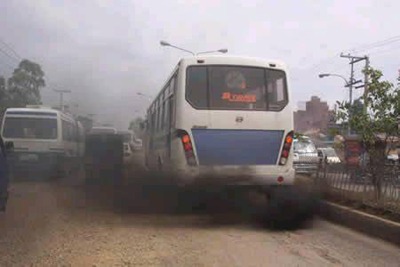
In a bid to tackle the mounting air pollution crisis and ongoing smog emergency, the Punjab government is gearing up for a sweeping crackdown against heavily polluting Heavy Transport Vehicles (HTVs) across the province. The move targets HTVs operated by public and private educational institutions, hospitals, and industrial units—sectors that collectively run thousands of large vehicles daily.
The Punjab Environmental Protection Agency (EPA) has issued strict directives requiring all such institutions to have their HTVs inspected and maintained through the Vehicle Inspection & Certification System (VICS). The initiative, created by the Transport Department, aims to ensure that vehicles meet emission standards before they are allowed on the road.
Read More: All new Fuel Pumps in Punjab to have EV charging stations
According to the notification issued by EPA Punjab Director General Dr. Imran Hamid Sheikh, any institution using HTVs for staff or student transportation must comply without delay. The EPA has made it clear that violations will not be tolerated.
“All public and private educational institutions, healthcare establishments, as well as industrial units shall ensure inspection and maintenance of their Heavy Transport Vehicles through the Vehicle Inspection & Certification System (VICS)… Any contravention to this order shall be dealt with as per the relevant legal framework,”
the notification states.
The EPA has also granted itself the authority to impound vehicles that continue to operate despite warnings or administrative penalties. Working alongside local police, the agency may seize non-compliant vehicles if they exceed permissible emission levels or fail to undergo certified inspection.
A Response to Worsening Smog Conditions
Punjab, especially major cities like Lahore, Faisalabad, and Gujranwala, has been battling a worsening smog problem during the winter season. Environmental experts have repeatedly pointed out that emissions from poorly maintained HTVs—particularly diesel buses, wagons, and trucks—are among the biggest contributors to toxic pollution.
The dense smog, often thick enough to disrupt daily life and force temporary school closures, has raised serious concerns about respiratory illnesses, heart disease, and long-term health risks.
The crackdown falls under the Punjab Environmental Protection Act 1997, which prohibits operating any vehicle that emits pollutants or noise beyond the Punjab Environmental Quality Standards (PEQS). Under the law, the EPA is empowered to demand the installation of pollution-control devices, enforce the use of cleaner fuels, and impose strict penalties on violators.
Punjab’s Long-Term Plan: Transition to Electric Buses
While the crackdown on polluting HTVs addresses immediate concerns, the Punjab government is also rolling out long-term measures to transform urban mobility and reduce reliance on fossil fuel–powered transport.
A major part of this strategy is the introduction of electric buses in several major cities.
The Transport Department has already initiated planning for electric bus fleets in cities such as Lahore, Rawalpindi, Multan, Faisalabad, and Bahawalpur. These buses are expected to replace large portions of traditional diesel-run fleets, offering a cleaner and quieter mode of transportation.
The key goals include:
- Reducing emissions from the public transport sector
- Lowering fuel consumption and maintenance costs
- Providing a modern, efficient public transit system
- Encouraging institutions and industries to adopt electric mobility over time
Electric buses not only produce zero tailpipe emissions but also significantly cut down on noise pollution—another factor contributing to deteriorating urban living conditions. The government is also exploring charging infrastructure development, battery-swap options, and incentives for private operators to transition to electric fleets.
Environmentalists have welcomed this shift, noting that while punitive action helps curb pollution in the short term, sustainable alternatives like electric public transport are crucial for long-term improvement.
A Comprehensive Approach to Cleaner Air
The combination of strict enforcement against polluting HTVs and investments in clean public transport represents a more holistic approach to tackling Punjab’s air pollution crisis.
As the province prepares for another challenging smog season, authorities are urging institutions, industries, and transport operators to cooperate fully. Cleaner air, they emphasize, will only be possible if all stakeholders actively participate in reducing emissions.
With the crackdown underway and electric buses on the horizon, Punjab is taking meaningful steps not just to address the current environmental emergency but to build a more sustainable, breathable future for its citizens.
About the Author